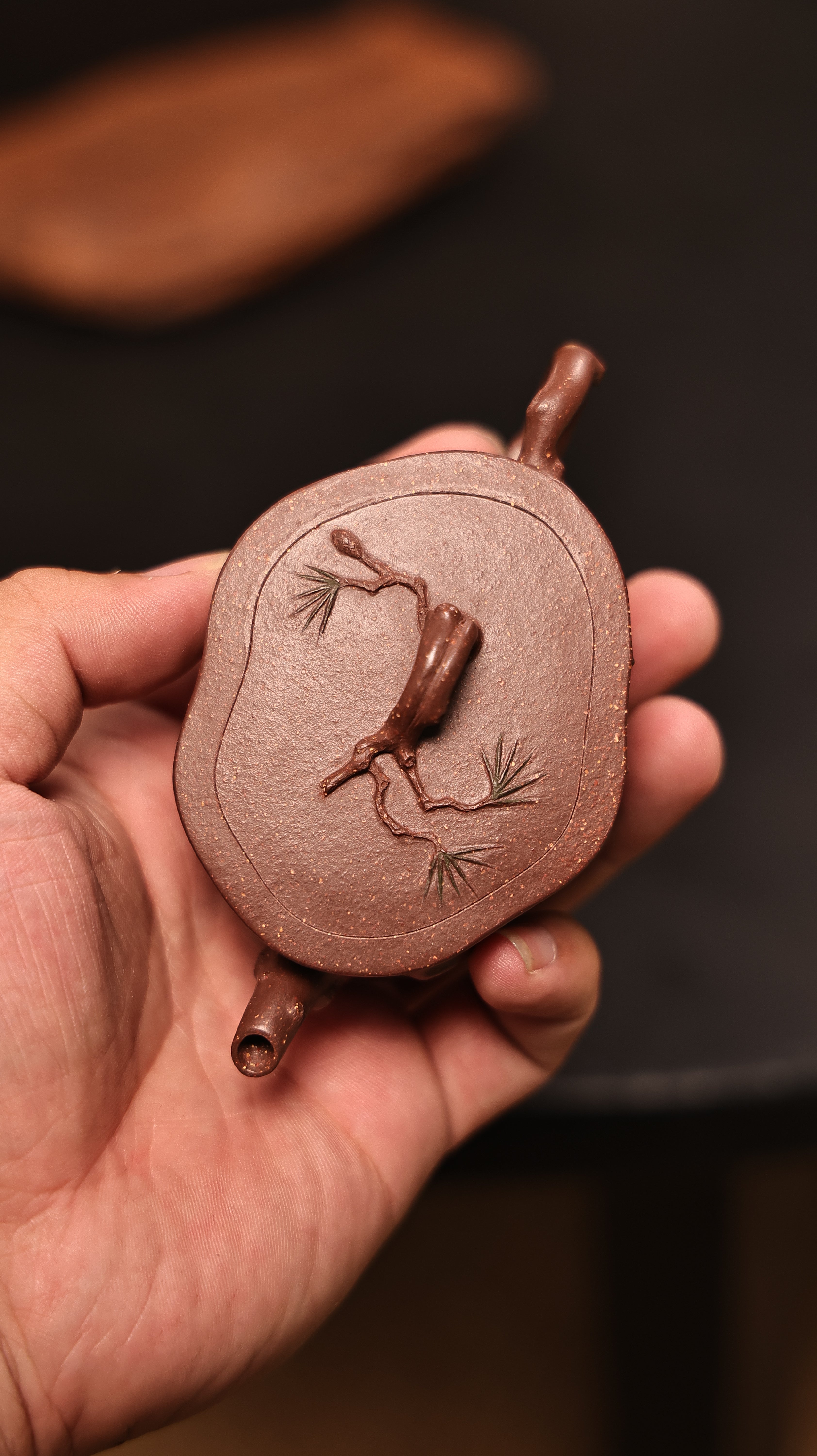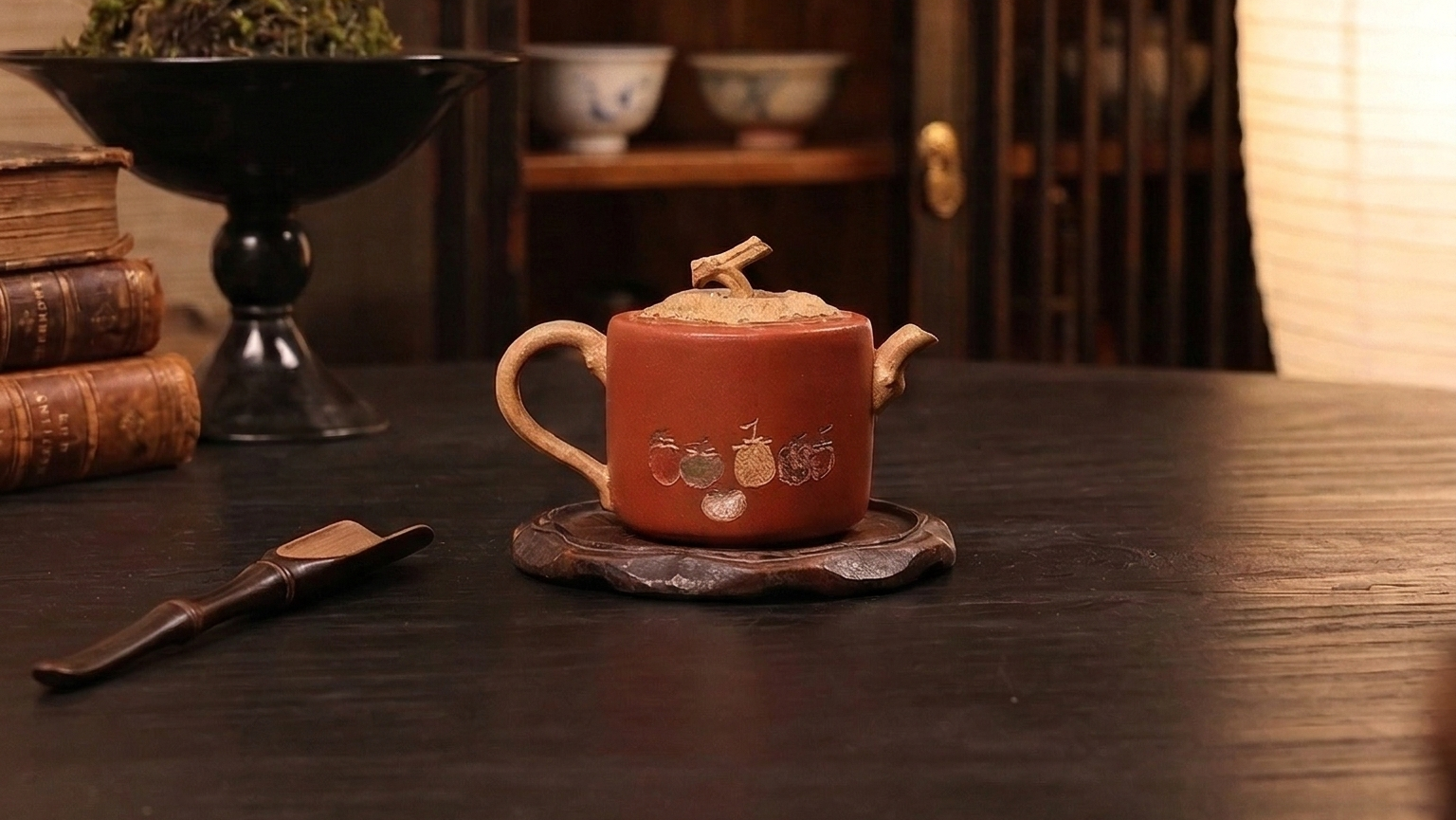
Opening your detailed analysis in relation to Yihsing Tzu-sha ceramic vessels provides one fascinating mixture between skill together with practicality.
Ihsing Zi Sha clay pots possess an unmatched seductiveness relating to gatherers all over the world. Specific stunning ceramic vessels, derived from the particular 宜兴 region adjacent to Jiangsu locale, China, stand as more than just brewing instruments; they function as works artistic beauty and cherished significance. Unique finely selected clay, known for Zisha, imparts a nuanced flavor to the tea, and the stylized designs, often mirroring traditional Chinese imagery, make their basic value. Purchasing a genuine Yixing Zisha teapot involves a rewarding journey, asking for careful investigation and an grasp of the manifold factors influencing its scarcity.
Uncovering Yixing Pottery
Ihsing teapots boast a vibrant tradition deeply interwoven with Chinese legacy. Originating in Yixing, Jiangsu district, these containers are crafted from a unique, porous purple mineral found only in that exclusive location. Their development began during the Ming age, with master Yixing Zisha Teapot sculptors refining the processes over generations. Assorted types can be seen, including the classic Hexiang (resembling crab shells), Zhuni (red-brown hue), and Duan Ni (stone-studded) – each with distinctive attributes. The significance of an Yixing teapot isn't solely based on its size or finishing, but also on the artist’s reputation, the substance's quality, and the vessel’s age and condition. Curators often seek out older examples, believing they collect the bouquet of the infusion brewed within them over time, further adding to their renown.- Classic Tea Containers
- Earth-Toned Brewing Vessels
- Rock-Adorned Ceramic Pots
Zisha Teapot Mastery: Artistry & Systems
The manufacture of Zisha teapots represents a culmination of Chinese ceramic expertise. Professional artisans employ age-old techniques, often passed down through descendants, to unlock the full charm of this unique clay. Approaches involve meticulous fashioning by hand, often combined with the binding method, followed by precise baking at incredibly severe temperatures in wood-fired kilns. Illustrating is equally crucial; potters utilize native clay colors and may incorporate modeling work to depict intricate scenes or patterns, demonstrating a profound knowledge of the material’s features and presence. The resulting teapot isn't merely a vessel for tea, but a testament to a significant cultural lineage.
Traditional Teapots: One Synopsis to Issing Zisha
Discovering the world of Eastern teapots routinely kicks off with Yixing Zisha. These unique clay pots are manufactured from a specialized type of clay obtained only in the Yixing region of Jiangsu province. Famous for its remarkable reddish-purple hue and exquisite aspects, Zisha clay delivers a mild flavor to the tea and enhances with age, transforming a cherished keepsake. Gathering Yixing Zisha pottery is more than just retaining a gorgeous object; it’s a salute of ancestry and finesse.
Investing in Yixing Zisha: Genuine Nature & Value
Venturing into the realm of Yixing Zisha ware can be truly lucrative, but demands a precise eye. Authenticity is paramount; abundant reproductions occur, habitually craftily constructed. Training about time-honored curing systems, characteristic mud characteristics, and the stamps of honored craftswomen is totally crucial. Moreover, realizing the particulars of the evolution pattern – influenced by elements such as historical value and the shape of the object – is key to beneficial buying.
- Examining kiln trajectory.
- Hiring authorities for substantiation.
- Evaluating sales behavior.
This Practice of Formulating with a Terracotta Vessel
Distinctive one-of-a-kind allure of a Zisha setup lies not just in its splendid appearance, but also in its significant impact on the flavor of the tisane. These time-honored clay tea pots, sourced from unique regions of China, possess a natural porosity that delicately interacts with the liquid and leaves, imbuing the tea with a refined character. Mastering the art requires a careful approach, understanding how the clay responds to varied temperatures and botanical types, ultimately leading to a genuinely rewarding consuming journey.
Upkeeping The Possession
Proper maintenance of your Yixing pot is vital to securing its lifespan. These remarkable teapots, crafted from distinctive Yixing clay, form a gradation over eras that magnifies their worth. Systematically rinse the interior with pure water, avoiding abrasive liquids, and never use strong scrubbing tools. Supplementary gentle polishing with a smooth cloth can help in clearing smudges. Allow your teapot to wholly dry in advance of each session
Demystifying Ceramic: Why These Brewing Vessels Are Exceptional
The well-known appeal of Yixing teapots stems from the special properties of Earthenware clay, obtained solely near Yixing, the city of Yixing. This extraordinary clay, known as ferruginous mineral , exhibits a distinctive combination of ingredients that, as years pass, absorb the aroma of the beverages it embraces. This generates a remarkable taste experience for each vessel, providing it a price far surpassing its baseline-level price and contributing to their sought-after status among tea enthusiasts.
Identifying the Right Traditional Clayware: A Stoneware Explanation
Venturing into the world of Purple clay teapots can feel overpowering, but understanding the basics is key to choosing a prized piece. This type of clay, sourced mostly from the Yixing locale, the Jiangsu district, is distinguished for its singular composition and ability to boost the bouquet of the elixir over duration. Reflect on the contour, the tint, and the appearance; a true Zisha teapot is more than just a container; it's a beautiful creation and a representation of Chinese culture. Look for the symbol of the creator for clues to its source and potential price.