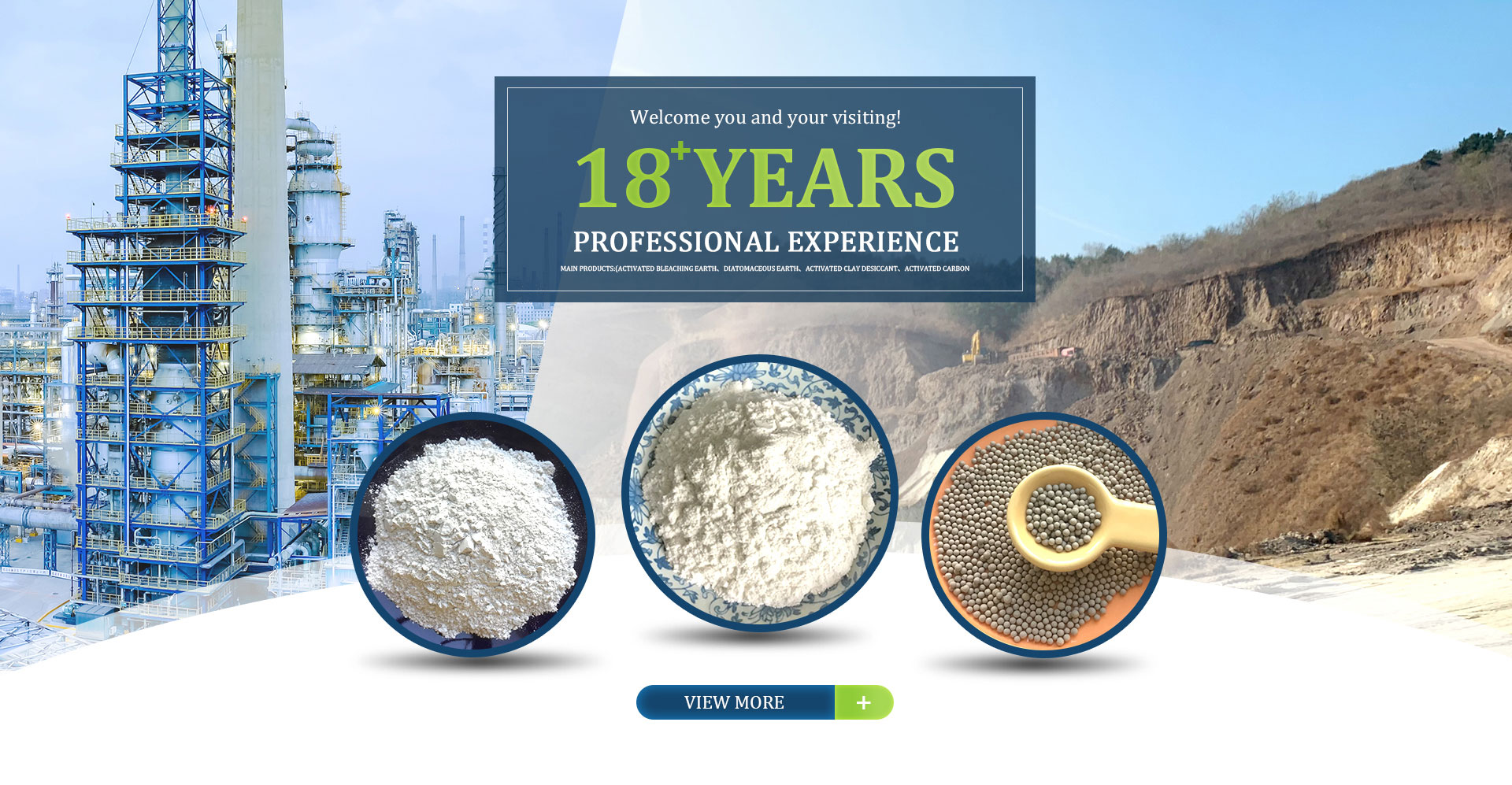
Launchingporous sediment is a highly effective purifying compound regularly leveraged in various industrial processes, particularly within drink processing. Formed from the fossilized remains of paleontological algae, it reveals a unique diatomite filter aid porous structure that allows for excellent clarification. The filter aid works by creating a porous coating on a filtration system, capturing small debris while supporting fluid transit. Determining the best variety of sedimentary filtration aid is vital for peak operation.
Employing Diatomite Earth for Clarification
Permeable substance, composed of the fossilized remains of microscopic algae called diatoms, presents a distinctive option for screening various ingredients. Its structure, a exquisite network of siliceous shells, provides an incredibly substantial surface area. This enables for highly thorough removal of suspended matter from aqueous systems. Implementations range from water treatment and spirits creation to swimming refining and even agrarian procedures. Perks include its eco-friendly origin, economic viability compared to some synthetic alternatives, and its aptitude to efficiently capture a all-encompassing array of contaminants.
- Furnishes superior material removal.
- Operates as a renewable choice.
- Appropriate for broad fields.
Improved Bleaching Soil: Properties and Purposes
Processed bleaching compound is a form of clean mudstone that has undergone exclusive modification to amplify its uptake capabilities. This technique typically involves ionic transformation, resulting in a highly porous composition with a vast terrain. Consequently, it exhibits remarkable skill to eliminate stains from a wide array of phases, finding key jobs in the bleaching of hydrocarbons, fats, and other biological components. Additionally, its biodegradable characteristic and budget strength contribute to its developing acceptance in various domains.
Assessment of Diatomaceous Earth Relative to Other Filter Aids
Finding the correct filtering medium for a specific process can be complicated. While silica gel and other alternatives exist, diatomite typically presents a forceful case for its eminence. Compared to these competitors, diatomite commonly offers increased uncloudedness and a boosted speed of removing sediments. However, such perfect choice ultimately varies on factors such as pricing, process requirements, and preferred deliverable level.
The Science Behind Diatomite Filtration
Diatomaceous earth or fossilized diatoms filtration straining leverages the unique exceptional structure of mentioned microscopic infinitesimal algae specimens. These aforementioned diatoms, upon subsequent to death, form construct a sedimentary geological rock mass composed formed of intricately finely porous cellular silica quartz shells. This such porous honeycomb-like network or filter provides an incredibly remarkably large area for or trapping particulate dimensionless matter elements from between liquids liquid matrices, achieving producing highly robust meticulous filtration refining.
Elevating Whitening Efficiency via Treated Materials
Elevating one's whitening process utilizing enhanced earth presents a effective approach for improving capability. The stated sustainable material, originating in ground, possesses outstanding capturing properties that grant it the ability to competently extract colored particles from cloths, thereby minimizing employment of harsh manufactured chemicals and encouraging a sustainable operation.
Understanding Diatomite Filter Aid Grades
Identifying the fitting filtration powder level is paramount for effective purification processes. Filter aid grades are arranged by their screen extent, generally expressed in fractional sizes. Thinner grades, like FF or Filter-X, offer premium clearness and are applicable for fragile liquids, while chunkier grades, such as Perlite or Celite 500, deliver a escalated fluid throughput for fewer processes. Understanding these alterations will assist you to advance your filtration effects and curtail expenditure pertaining with the process.
Green Sourcing of Micro-shell Earth
The rising demand for mineral sediment earth necessitates a focus on green sourcing policies. Traditional mining often comprises significant ecosystem disturbance and can impact surrounding ecosystems. As of now, forward-thinking businesses are investigating alternatives, such as revitalization of formerly harvested sites, ensuring minimal disruption and safeguarding habitat habitats. Furthermore, honesty in the supply is evolving crucial, allowing buyers to reach informed judgments and advocate environmentally sound initiatives. Hence, responsible regulation of microshell residue earth resources is vital for continued availability and minimized environmental results.
- Abated land destruction.
- Remediation of mining sites.
- Enhanced accountability in the network.
Refined Clarifying Substance: A Research Understanding
Looking at a academic frame, improved clearing deposit represents a unique class of aluminosilicate minerals. Initially, bentonite clay is chemically modified via activation – typically involving acid treatment – to dramatically augment its affinitive qualities. The stated alteration creates a ample exterior with a significant number of proton-donating zones, facilitating the uptake of pigmented compounds from liquids. The interaction principally involves molecular attractions and intermolecular attractions, resulting in a refined material.