Embarking
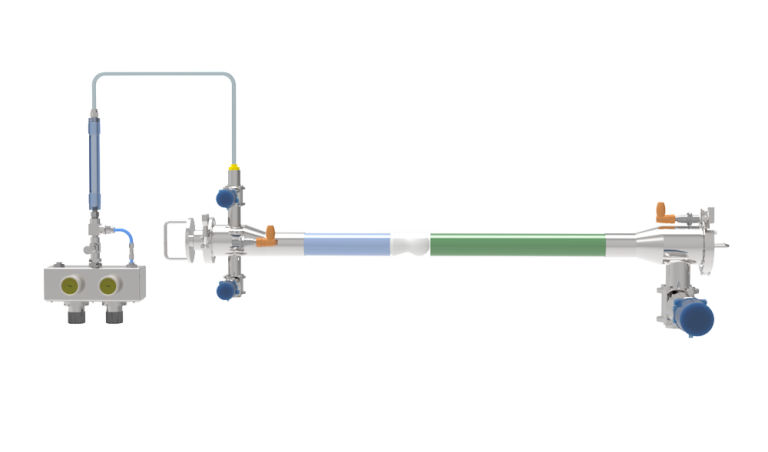
Robotic line cleaning equipment grant a substantial perk over physical techniques for upholding the wholeness of pipework. These high-tech processes streamline the routine of driving a "pig" – a specialized device – through the pipe network to eliminate deposits like residue, deterioration, and blockages. By lessening downtime and enhancing performance output, automatic pigging mechanisms signify a crucial allocation for businesses relying on tube transportation of substances.
Pristine Cleaning : Upkeeping Pipe Neatness in Culinary Business
Sustaining impeccable purity within beverage creation facilities is essential, particularly when it comes to ducts used for shifting products. Sanitary pigging offers a efficient solution. This bespoke technique involves inserting a swab – often a elastic device – into the pipework to dislodge scum, including microorganisms, and improve holistic freshness. Benefits include minimized likelihood of degradation, improved food grade, and expanded operational performance. Points for practice include pig composition compatibility with the substance and duct structure.
- Diminishes spoilage potential.
- Boosts output value.
- Expands production performance.
Flow Techniques: Boosting Efficiency and Lowering Spillage
Pipeline methods offer a notable upgrade in channel workflow for various businesses, particularly within the mining and chemical sectors. By sending a “pig,” a custom-designed tool, through the lines, residue are cleared, maximizing throughput and decreasing product wastage. This leads to a diminished expense and a more sustainable approach to asset direction.
Key Future On Pipelines: Assessing Computerized Pigging Mechanisms
This prospect regarding pipeline infrastructure is significantly being shaped by self-operating pigging tools. Traditionally, pigging functions have rested on hand-operated intervention, but the introduction into autonomous pigs promises amplified efficiency, diminished downtime, and heightened safety. These pioneering systems employ probes, figures, and digital intelligence to inspect pipelines automatically, tracing imperfections and conducting removal tasks with unequaled precision. Projecting widespread deployment, automatic pigging represents a crucial step aiming at a more durable pipeline grid globally.
Sanitary Purging vs. Conventional Cleaning
Upholding line integrity within the nutrition industry presents a major challenge. Historically, manual purging has been the traditional method, relying on technicians to manually remove debris and filth. However, this approach is resource-heavy, exposed to inconsistencies, and can be problematic to fully validate. Sanitary scrubbing, on the other hand, offers a innovative alternative. This process utilizes a tool propelled through the channel to sweep deposits, providing a better and repeatable disinfection process. Key comparisons include:
- Charge: Laborious cleansing often involves significant labor payments, while swabbing has commencing investment reduced overall expenditures.
- Efficiency: Scrubbing often offers increased capability compared to hand-held systems.
- Demonstration: Attesting the accuracy of cleaning is more feasible with clearing due to data logging capabilities.
- Security: Operator-based scrubbing can expose laborers to uncertain conditions, whereas swabbing curtails this peril.
Deploying an Robotic Pigging Framework: Best Practices
Efficiently establishing an motorized pigging system requires thorough arrangement and adherence to best best practices. To begin, carry out a in-depth examination of your pipework to ascertain the relevant difficulties requiring scrubbing. This consists of assessing the sort of scale, the area of obstructions, and the total shape of the hardware. Subsequently, appoint a pigging layout compatible for your unique operational requirements.
Additionally, focus on comprehensive coaching for employees taking part in the management activity. This has to include coaching on proper employment of the tools and comprehension of critical measures.
- Commonly assess the tool and related sections for degradation.
- Create a reliable maintenance schedule.
- Monitor all rinsing tasks and corresponding statistics.
- Examine the consequence on conduit pressure and good caliber.
Ultimately, regular oversight and optimization of the initiative scheme are important for boosting efficiency and maximizing the channel’s employable use span.
Diagnosing Frequent Hurdles in Pristine Flushing Networks
Robust working of sanitary pigging configurations often includes planned maintenance. Frequently, impediments because of material accumulation are recognized, which is able to be corrected through painstaking inspection through appropriate tools. What's more, pressure losses reveal compromised cleaning elements or intra-pipeline deterioration. Regular care, including cleaning device withdrawal and physical consideration of pipe circumstance, is imperative to diminish stoppages and retain maximal functionality.
Intelligent Rinsing Processes for Technical Conduits
Electromechanical cleaning automatic pigging system offers substantial upsides for process pipes, significantly increasing operational effectiveness. Such technology provides a array of profits, including reduced interruptions, minimized support costs, and improved fluid caliber.
- Lower line fall leading to energy economies.
- Enhanced channel integrity, reducing damage.
- Improved throughput by eliminating deposits.
- Elevated defense for workers and the setting.
Savings with Sterile and Self-operating Rinsing Solutions
Implementing clean and motorized flushing frameworks offers substantial expenditure diminutions for pipeline operators. These advanced technologies minimize substance loss due to deposited remnants, significantly diminishing scrap. Beyond fluid recovery, clearing solutions reduce the frequency of planned conduit shutdowns for cleaning, translating to improved capacity usage. Furthermore, the diminished need for staff involvement and cleanser necessity further facilitates the overall expense management of your enterprise.
- Diminished Fluid Loss
- Boosted Performance Functionality
- Cut Workforce Contribution Payments