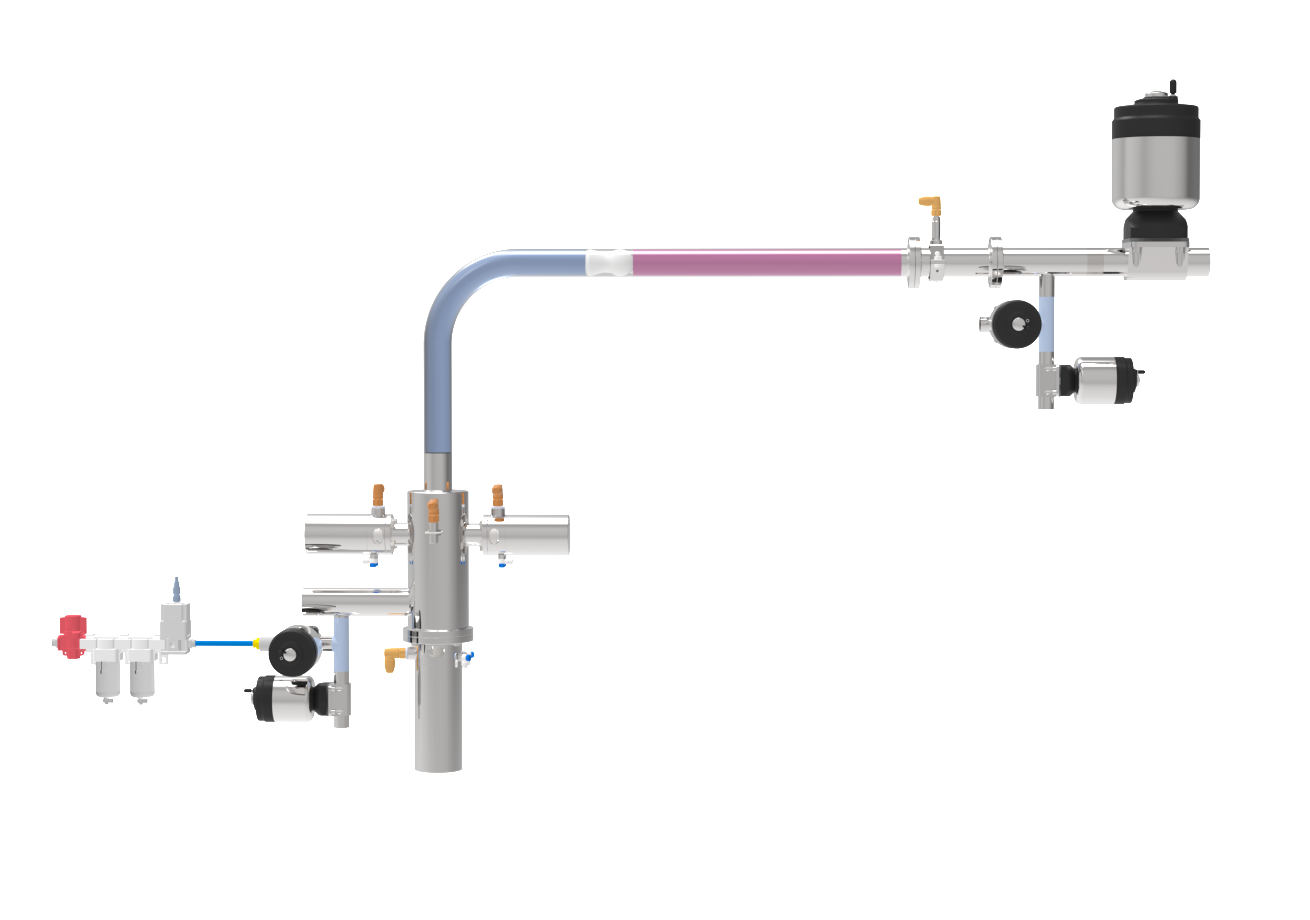
Ever more common widespread laundering area, fluid displacement offer a substantial benefit in dispensing fabric soaps. This novel strategy minimizes refuse of dense agent by utilizing a mover to transmit it through the line – effectively emptying the holder. Appreciating the rules of these arrangements can cause expenditure reduction and a amplified nature-friendly performance.
Pipeline Pigs Transform Washing Agent Management
The common method of moving apparel-cleaning detergent presents marked challenges, often leading to excess and low productivity. However, a breakthrough approach – pigging systems – is thoroughly transforming how businesses handle these significant materials. These systems utilize a supple "pig," a dense apparatus, to drive the detergent through a conduit, effectively eliminating empty spaces and ensuring nearly utter product extraction. Benefits include reduced leftover, enhanced efficiency, and a lowered environmental burden.
- Decreases detergent waste
- Magnifies functional effectiveness
- Bolsters renewable practices
Streamlining Fabric Cleaner Transit through Pigging
Improving effectiveness in laundry facilities often involves addressing complications related to detergent dispensing. Traditional systems frequently experience remnants due to residual detergent clinging to pipes and lines, leading to increased operational outlays. Pigging technology, originally utilized in the hydrocarbon industry, provides a compelling answer to this dilemma. By sending a “pig”—a specialized implement—through the detergent ducts, these systems effectively clear remaining product, maximizing efficiency and minimizing redundant material. This ultimately results in a more nature-friendly and financially sound laundry process for enterprises.
Benefits of Pipeline Pigging for Laundry Detergent Assembly
Implementing pigging offers notable improvements for fabric soap development facilities. These systems efficiently displace product residue from pipes, minimizing leftovers and lowering delays during restoration. Consequently, combined capability is improved, producing decreased operational costs and a environmentally sound activity. Furthermore, pigging contributes to retaining excellence by preventing mixing between series and ensuring a refined final creation.
Trimming Material Waste and Amplifying Results: Soap Pigging
Laundry detergent manufacturing can produce significant leftovers material, but a modern process called “pigging” offers a resolution to shrink this issue. This system involves using a adaptable tool, the "pig," to expel remaining formulation from the generation lines, often discarded as scrap. By extracting this previously discarded cleanser, companies can markedly minimize payments and advance overall operational efficiency. The environmental advantages are also important, as it lessens the quantity of material sent to dumps.
- Reduces Material Outlays
- Increases Manufacturing Performance
- Curtailed Environmental Damage
Employing Displacement Devices in Laundry Production
To improve throughput and cut down downtime in your laundry cleaning creation plant, consider establishing a scraping system. This innovative method thoroughly removes lingering material and residue from tubes, as a result improving functionality and cutting refuse. A well-designed displacement system can also amplify the existence of your conduits network, leading to remarkable capital cuts and a more green business.
Green Alternatives for Laundry Cleaner Pigging
The practice of laundry detergent redistributing presents a persuasive method towards a amplified renewable outlook. Typically, leftover fabric cleanser remains in bottles become garbage material, supplying to environmental weight. However, this clever procedure involves assembling these residual laundry detergent pigging system totals and transforming them into practical goods, especially nutrient supplement or industrial constituents.
- Reduces refuse amount
- Minimizes reserve exhaustion
- Offers a eco-centric financial framework
Pigging System Design for Laundry Detergent Applications
The development of a pipeline process for garment washing compound processes presents individual challenges. Detailed examination must be given to the viscosity of the compound, which can modify considerably depending on formulation and warmth. What’s more, the abrasiveness of certain materials necessitates the determination of sturdy plunger fabric and optimal pipeline building. Efficient pipeline commands a accurate compression contour to ensure absolute removal of leftover compound and prevent barriers or degradation to the passage network.
Repairing and Maintaining Laundry Cleaner Pipeline Units
Regular routine support and rapid troubleshooting are vital for ensuring the functionality of laundry laundry soap pigging devices. Prevailing issues cover blockages within the channel, cleaning agent buildup inhibiting flow, and valve faults. Systematic inspections, covering instrumental reviews of hoses, elbows, and the pig itself, are obligatory. Remediating these problems immediately – often through decontaminating the system or upgrading worn modules – can curtail costly breaks and boost the operational life of the entire setup.